Stone, strategy and story: Bran through the centuries
From medieval customs to modern myth‑making, the castle’s story is a layered tapestry of defence, domesticity, and folklore.
Table of Contents
Medieval foundations & strategic passes
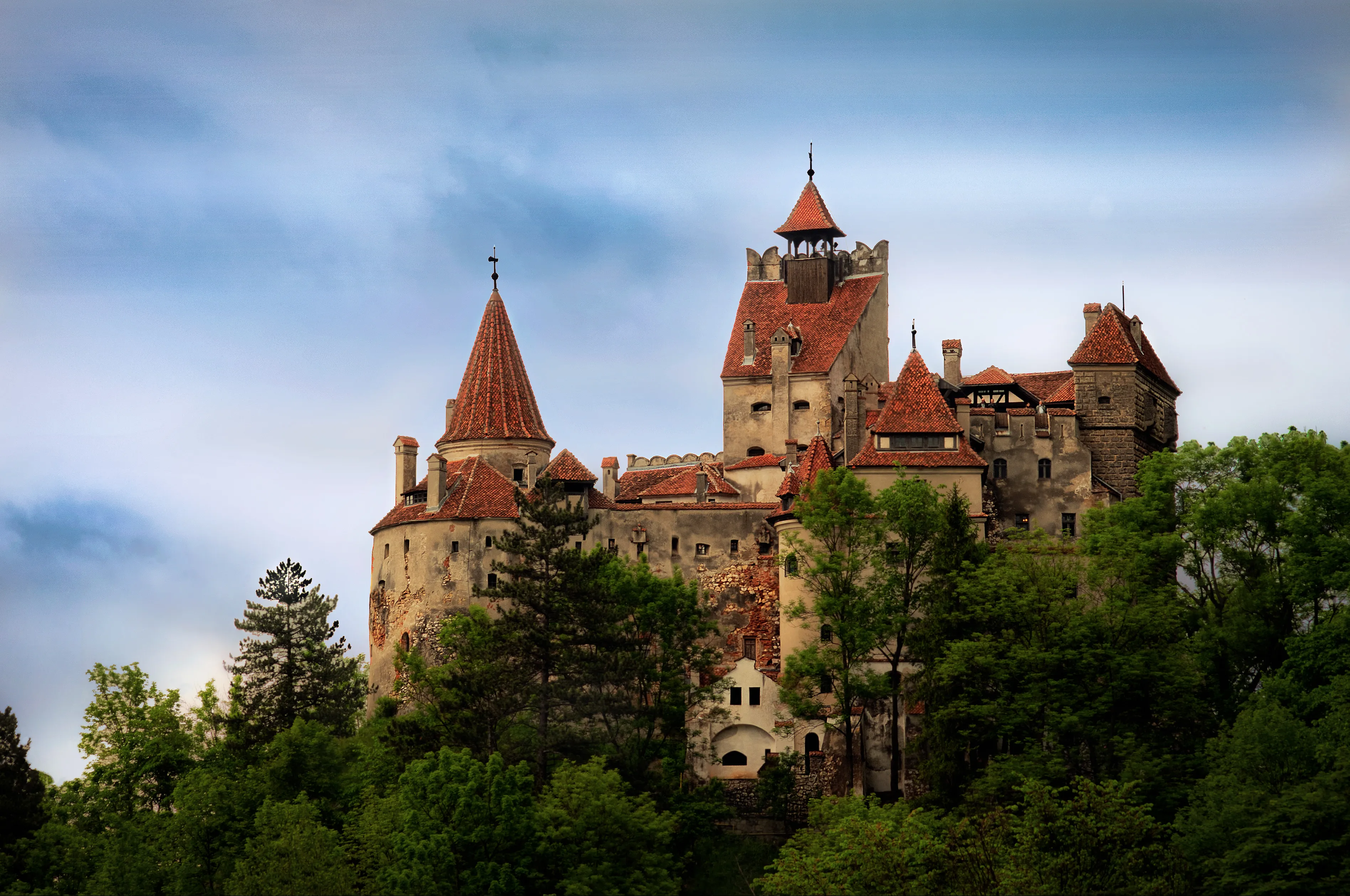
Bran Castle’s origins are rooted in geography. The rocky hill it crowns commands a narrow pass between historic regions, a natural chokepoint for trade and movement. The earliest fortifications were pragmatic: stone walls and narrow entries to slow intruders and protect local markets. Over centuries the site was rebuilt, strengthened, and repurposed as political tides shifted across Transylvania and Wallachia.
Those who manned Bran—soldiers, customs officers, and craftsmen—knew the castle as part of an everyday landscape of commerce and defence. It was not built to be an intimidating gothic stage set; it grew from the needs of those who lived in its shadow, traded through the pass, and negotiated the delicate borderlands between principalities.
Bran village, markets & local life
Directly below the castle, Bran village hums with a modest, persistent rhythm: local bakers pull loaves from wood‑fired ovens, elders sit under awnings to trade gossip, and artisans display carved spoons and embroidered shirts. These are not stage props for tourists; they are the living traces of a rural Transylvanian community that has supplied the castle and the pass for centuries.
Wander the short streets and you’ll find stalls selling plum brandy, smoked cheeses, and hand‑carved wooden toys. Speak to a maker and you’ll hear about the seasons — when the sheep come down from summer pastures, when the harvest is brought in, and how motifs in weaving tell family stories that survive through craft.
Trade routes, customs & mountain passes
Bran’s significance grew from geography. The pass below was a conduit for merchants, soldiers, and travellers moving between regions. Customs duties, tolls, and the castle’s watchful presence regulated who passed and what goods moved through — salt, cloth, livestock and later manufactured goods.
The castle’s records, fragmentary as they are, point to a modest but steady commerce: local farmers, itinerant traders, and the needs of a garrison that required food, craftsmen, and regular supplies. Even today, the markets echo that trade in new forms — souvenirs, local foodstuffs, and guided excursions that trace old routes.
The towered silhouette & defensive features
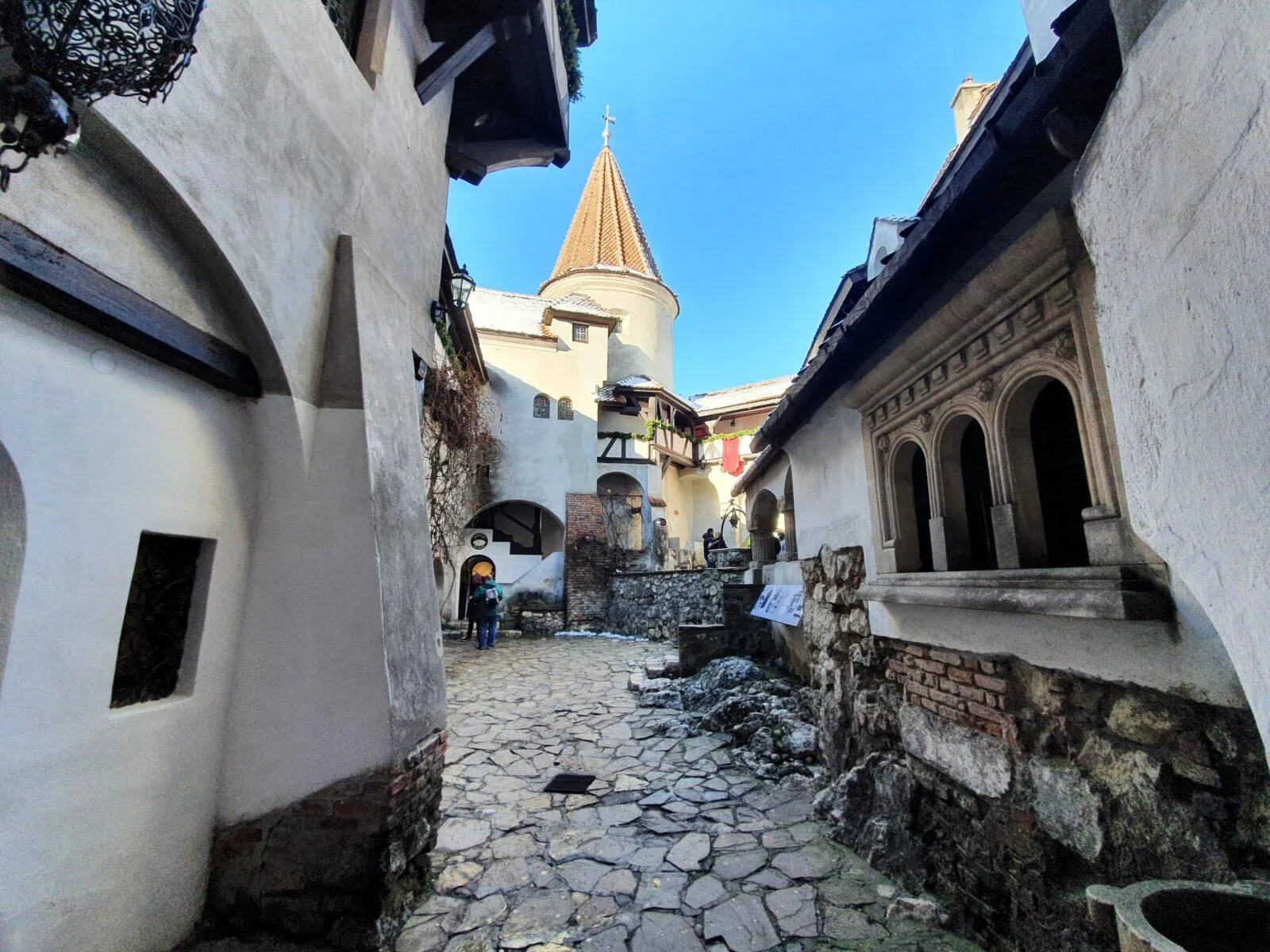
The castle’s architecture answers a question of survival: how to hold a hill against intruders while supporting the daily requirements of its occupants. Gatehouses, narrow winding staircases, and thick stone walls are not theatrical gestures; they are practical solutions to the risks of the Middle Ages.
Look closely and you’ll notice adaptations across centuries — patched masonry where repairs were urgent, added fireplaces when comfort was prized, and thresholds raised against damp. These physical adjustments tell a human story of people who lived with the climate, the winter snows, and the occasional threat of conflict.
Royal residence & 19th‑century restorations
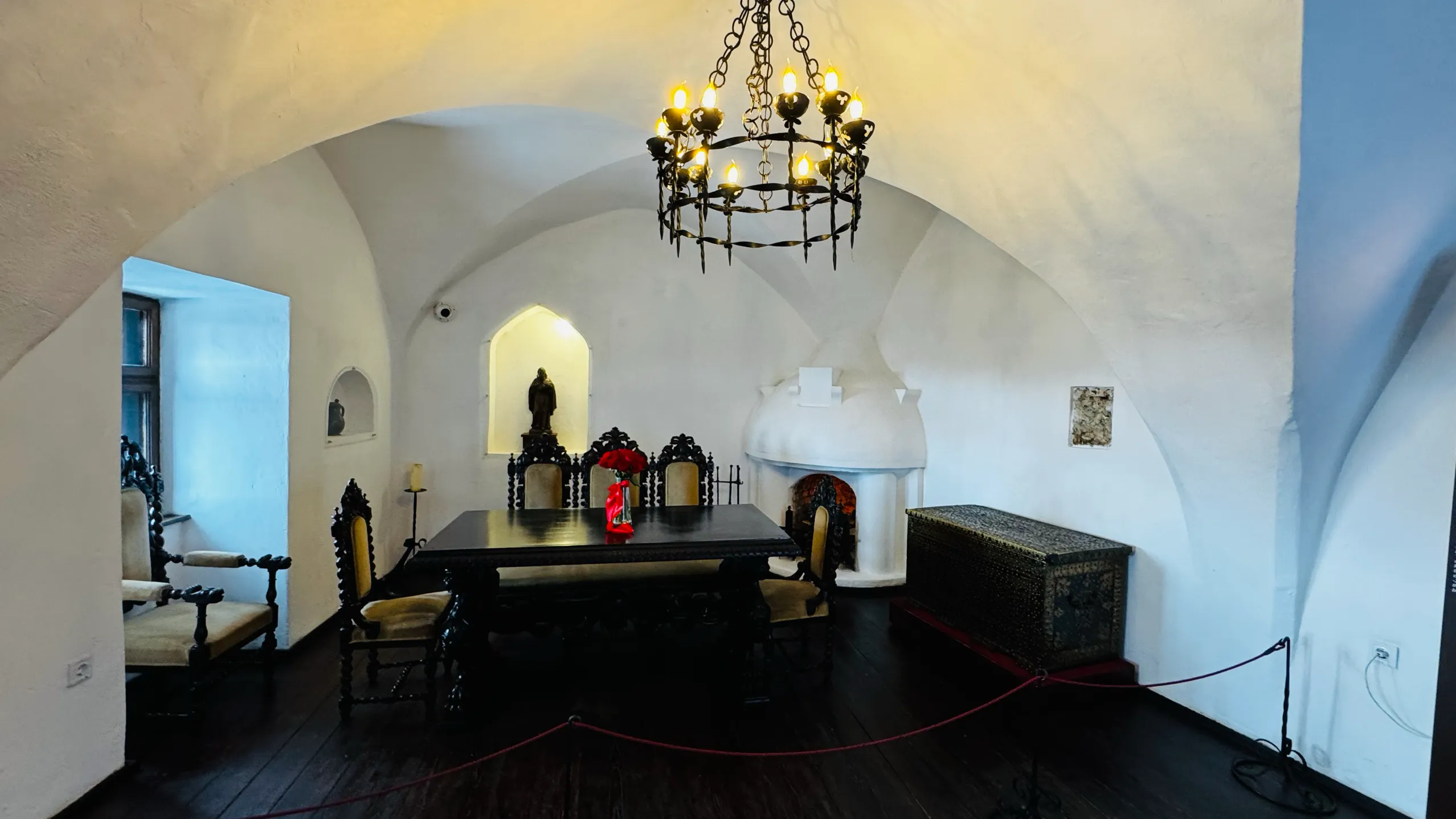
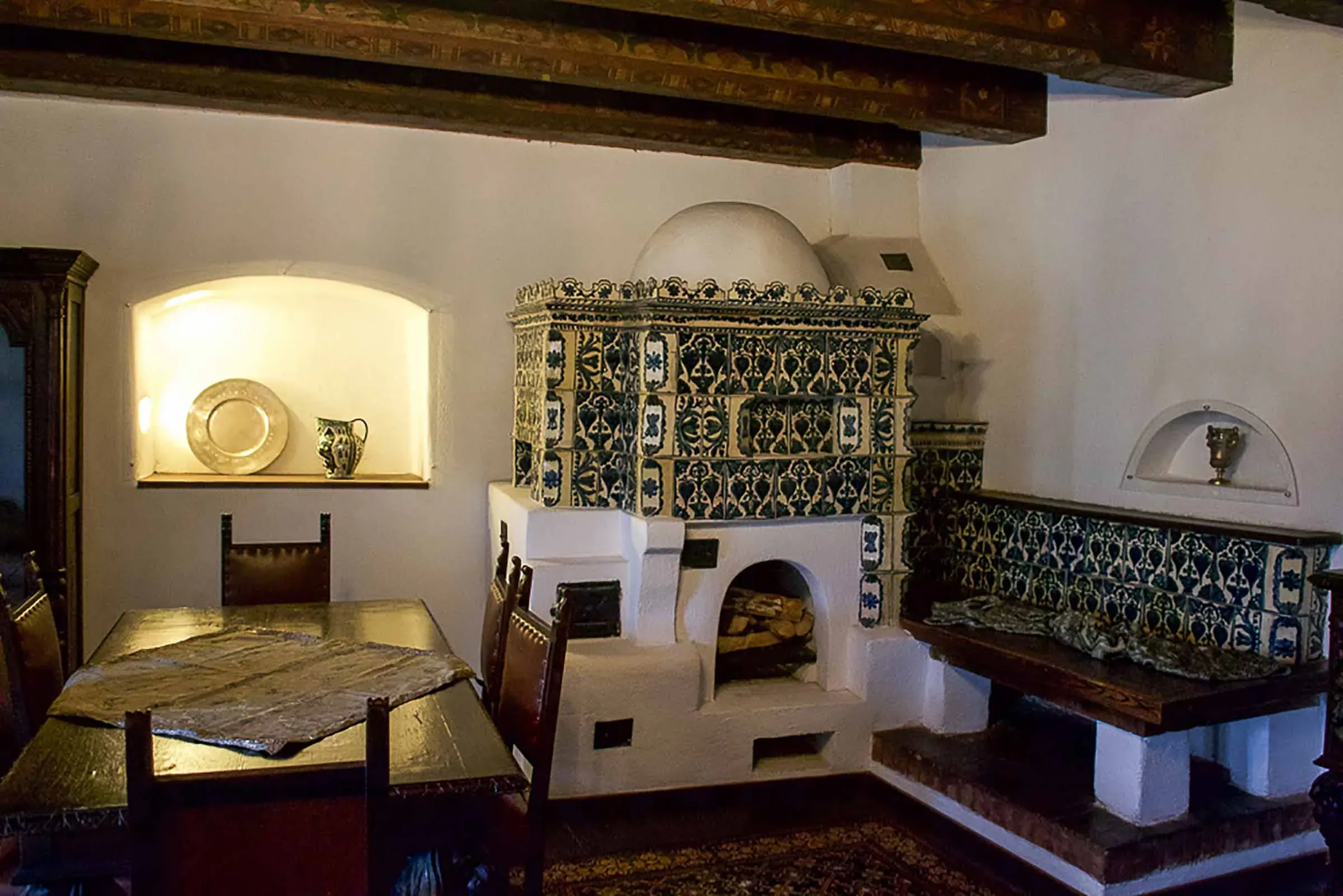
In the late 19th and early 20th centuries Bran moved toward a gentler purpose: hosting dignitaries and serving as a romanticised royal residence. Renovations introduced wood panelling, decorative motifs, and rooms arranged for comfort rather than defence, reflecting changing tastes and the castle’s new social role.
These restorations were selective: they preserved some medieval features while overlaying new aesthetics that made the castle feel lived‑in and respectable to visiting nobles and guests from across Europe.
Folklore, Vlad the Impaler & the Dracula myth
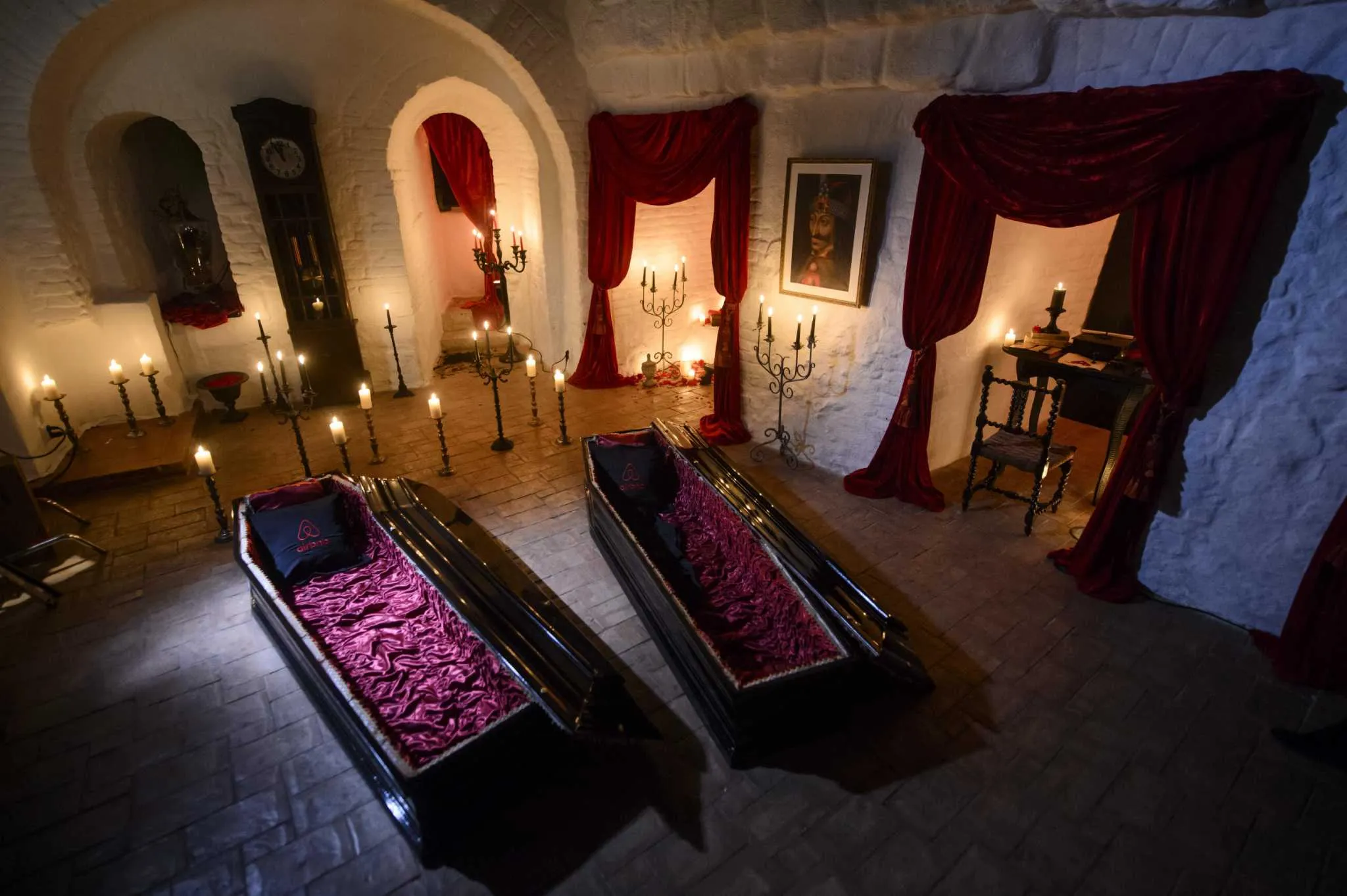
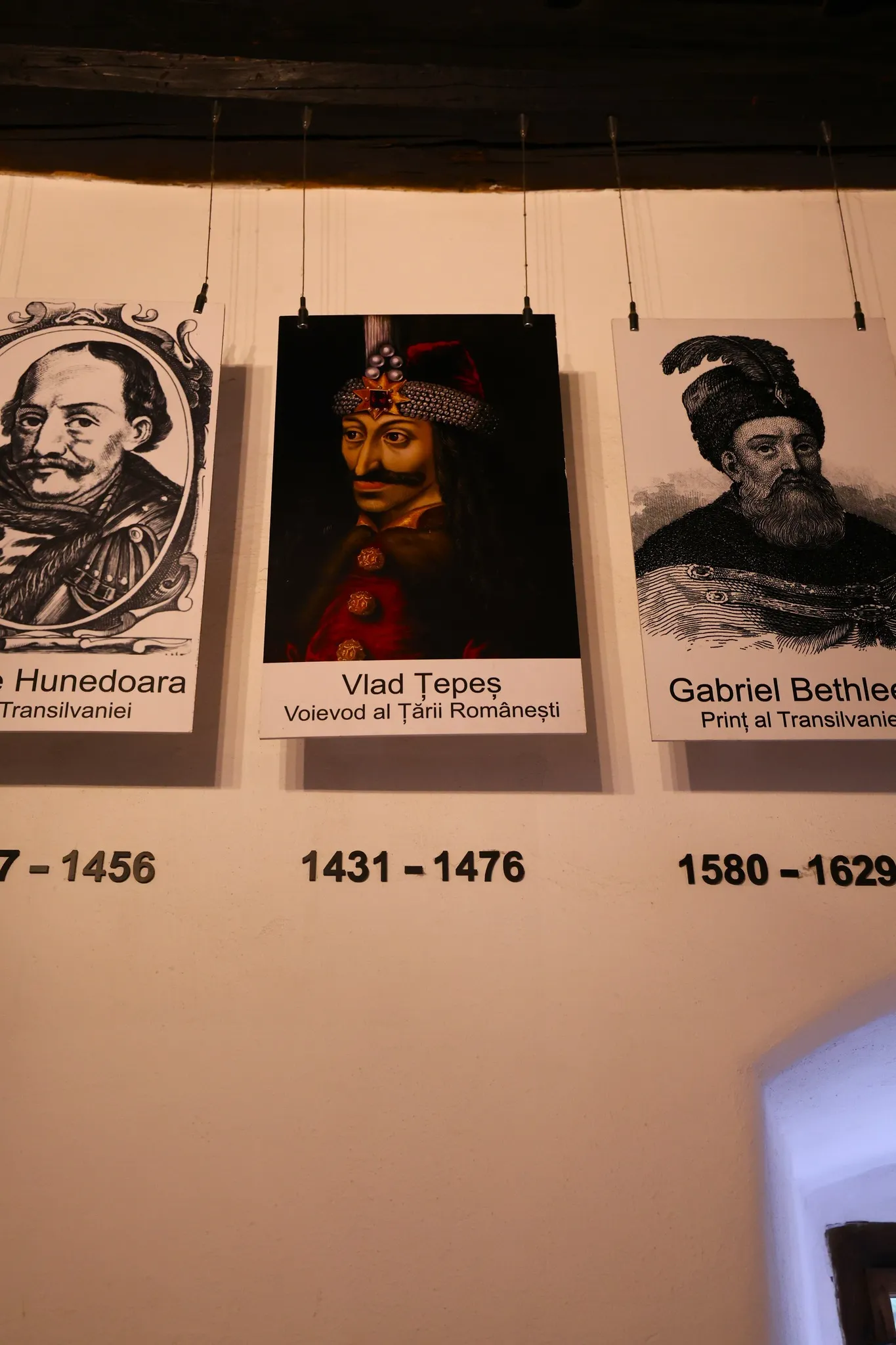
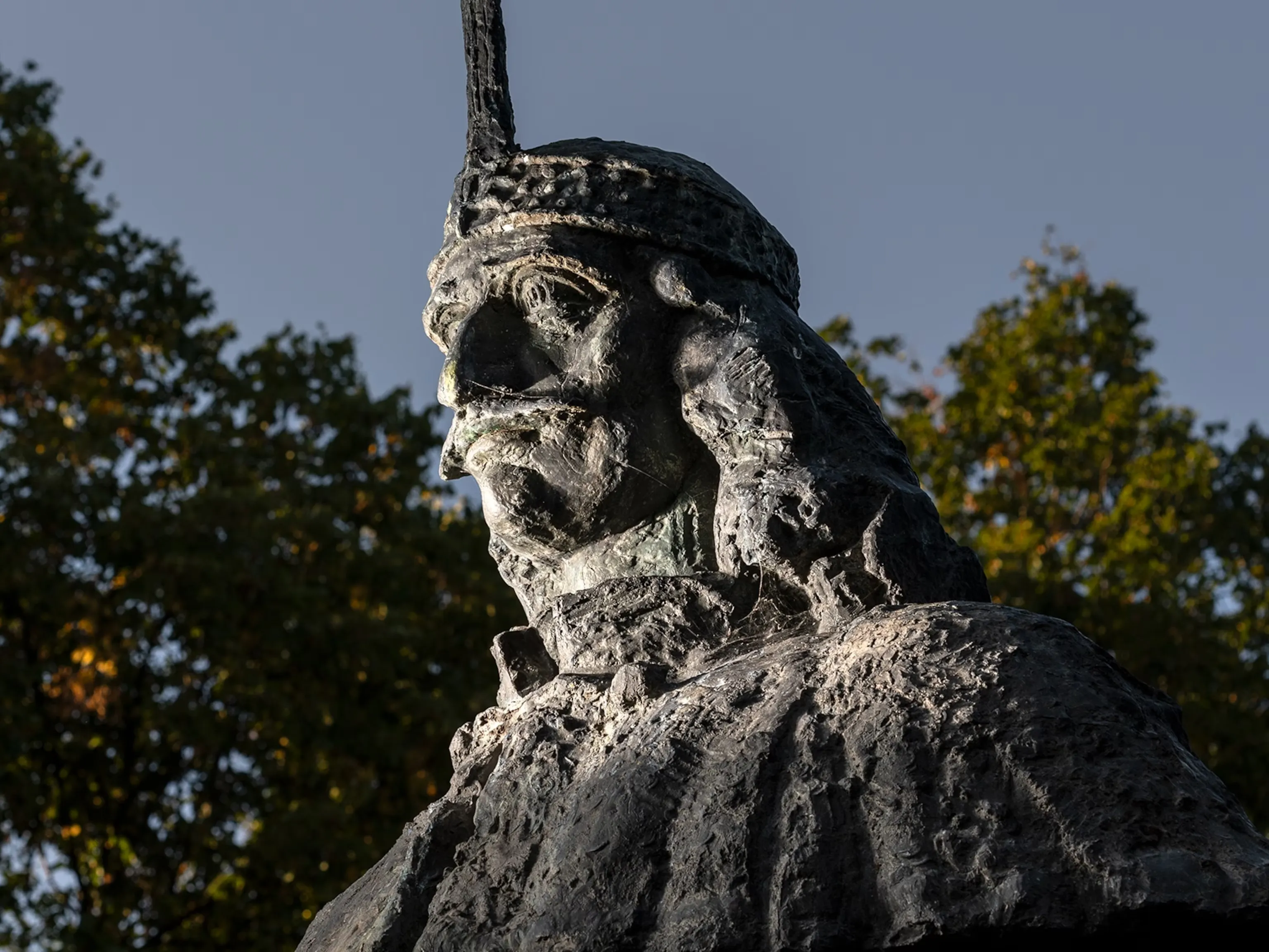
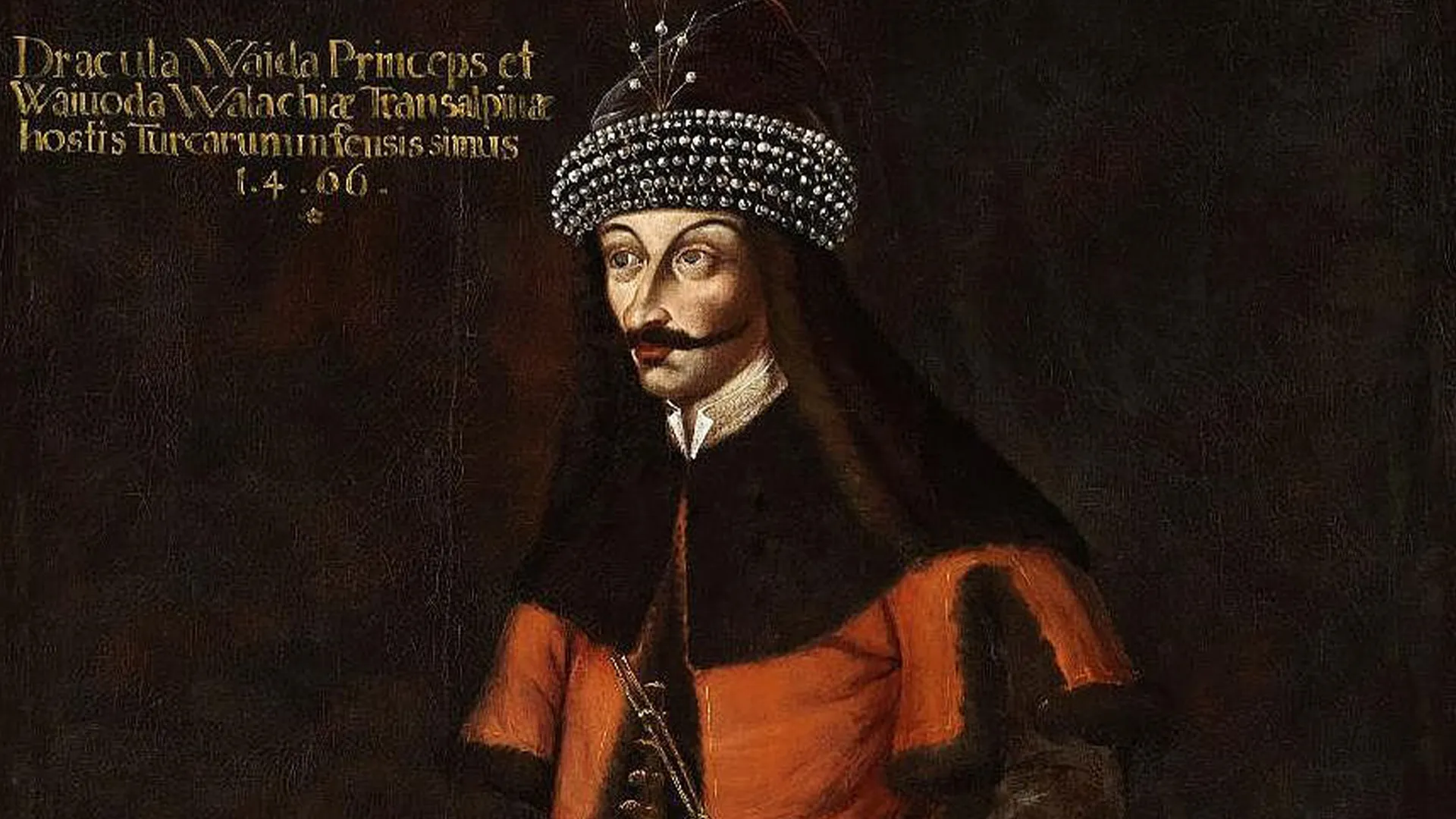
The name Dracula is a late layer of meaning. Vlad Țepeș — a historic Wallachian ruler whose punitive methods earned him a fearsome reputation — appears in some regional accounts, but the documentary links to Bran are thin. Bram Stoker’s novel, written without first‑hand experience of the landscape, seeded an image that later travellers and marketers associated with Bran’s silhouette.
Rather than searching for a single ‘real’ Dracula room, it’s more fruitful to see how myths grow: a historical ruler, later nationalist tales, and a novelist’s imagination all combined with local oral traditions and the castle’s mood to create a cultural product that draws visitors and prompts reflection about history, memory, and tourism.
Collections, domestic life & crafts
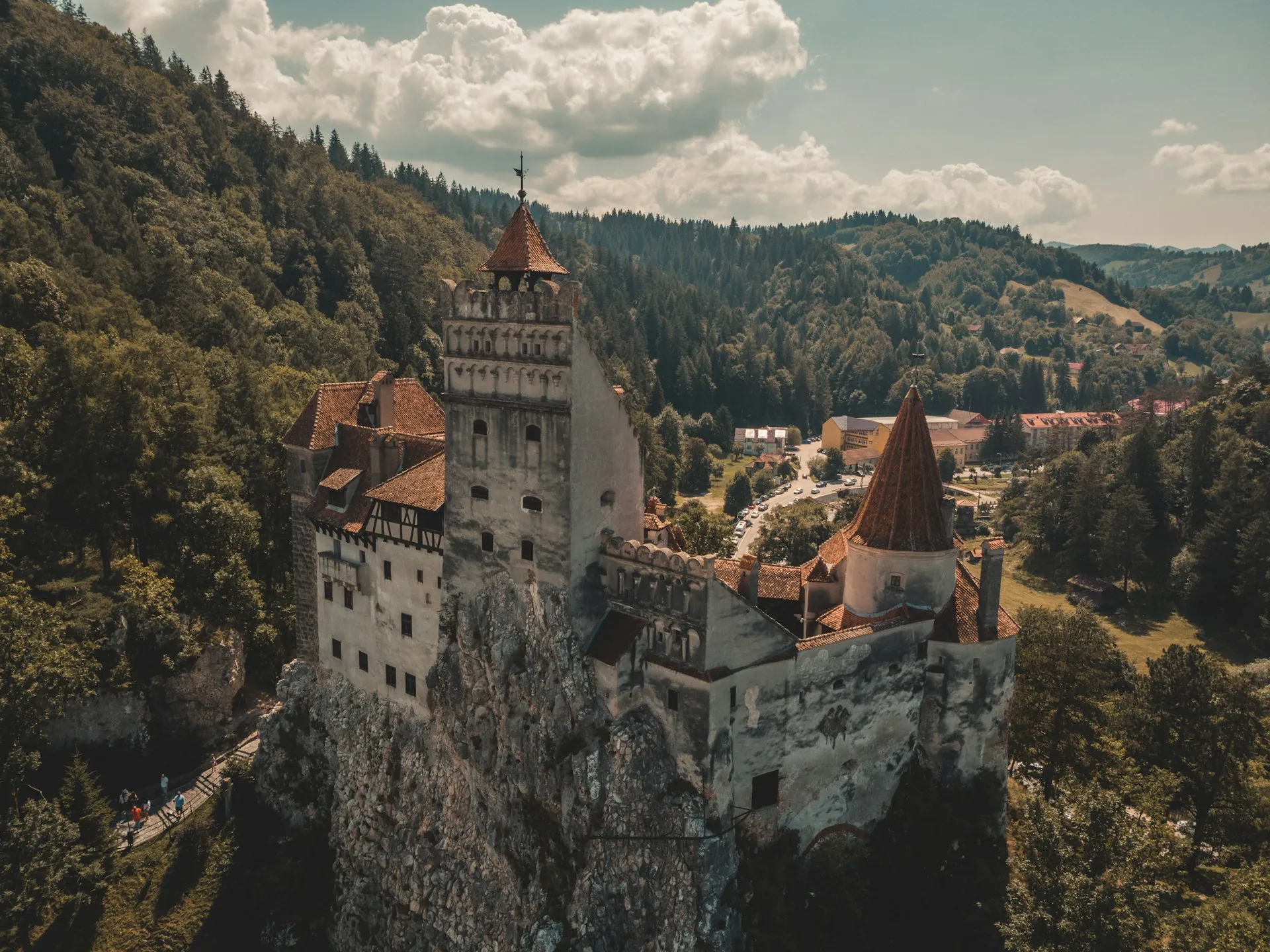
The museum inside Bran presents objects that belonged to the household and local life: textiles with regional patterns, carved furniture, and everyday tools. These artifacts invite visitors to imagine the quieter, domestic rhythms behind the stone facades — cooking, mending, and seasonal celebrations.
Exhibitions also showcase local craft traditions that persist in nearby villages, linking the castle’s material culture to a broader regional identity that survives despite political and economic change.
20th century changes & stewardship
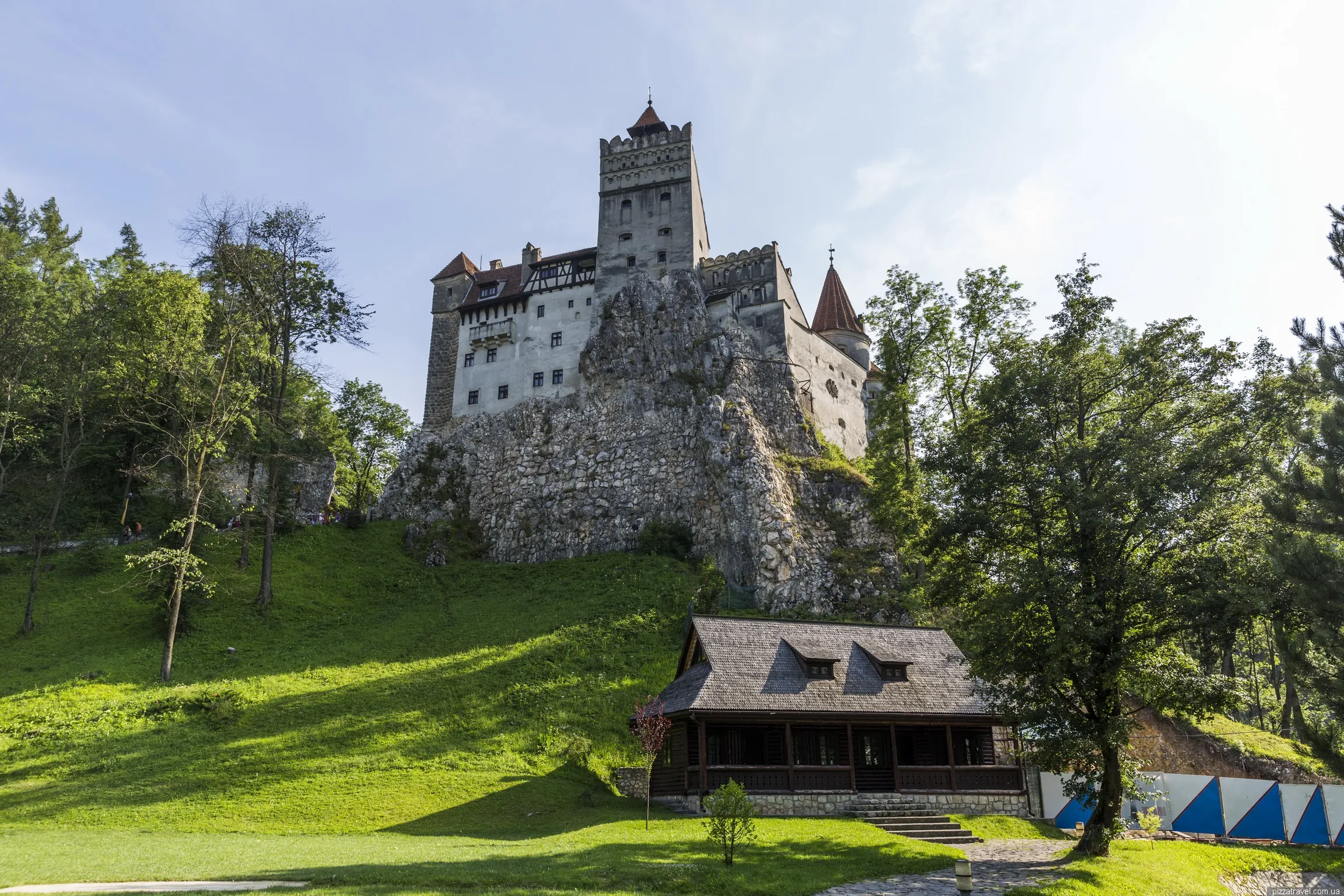
The castle’s 20th century story includes periods of private ownership, donation to the state, and restoration under changing political regimes. Each era left a mark: some architectural choices, curatorial emphases, and management practices reflect national priorities of the time.
Today's stewardship balances conservation needs with visitor access, aiming to preserve original fabric while providing interpretation that helps visitors understand the castle’s layered past.
Community, tourism & local economy
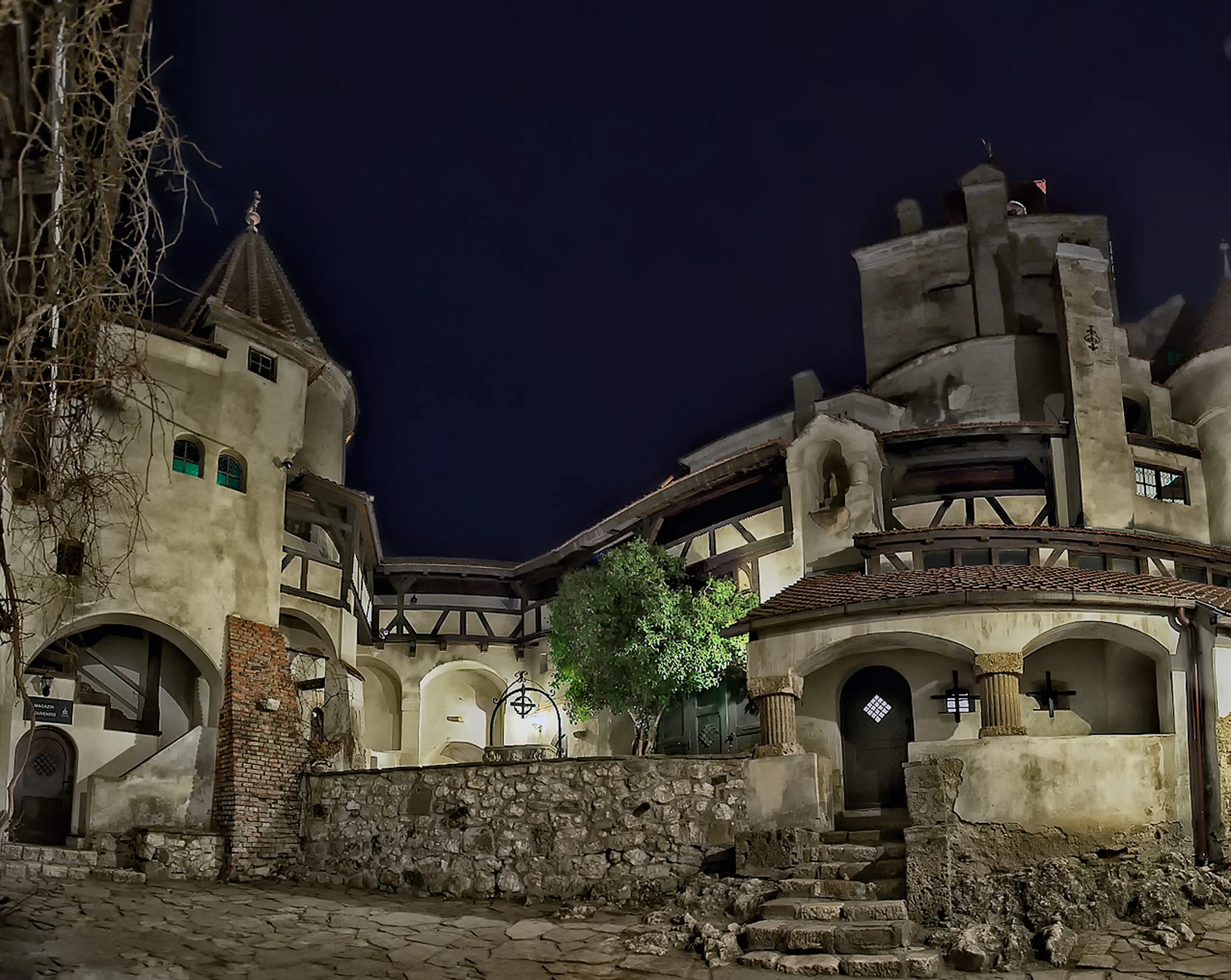
Tourism is a pillar of Bran’s modern economy. Visitor spending sustains cafes, guesthouses, and craft producers, but it also brings challenges: infrastructure pressure, seasonal employment, and the need to manage visitor flows to protect delicate features.
Community initiatives increasingly emphasize sustainable practices: training guides from local families, promoting off‑season visits, and creating experiences that highlight living culture rather than turning the area into an unvarying show.
Planning your visit & sensible tips
Plan for stairs and uneven floors; comfortable shoes are essential. If you’re visiting in summer, bring water and sun protection; in winter, prepare for cold winds and icy steps. Guided tours add depth and are recommended if you want detailed historical context.
Allow time to explore the nearby market, walk to viewpoints, and enjoy regional food. If you’re combining with Brașov, leave room for a leisurely coffee in the historic town centre before you return to your route.
Nearby hikes & viewpoints
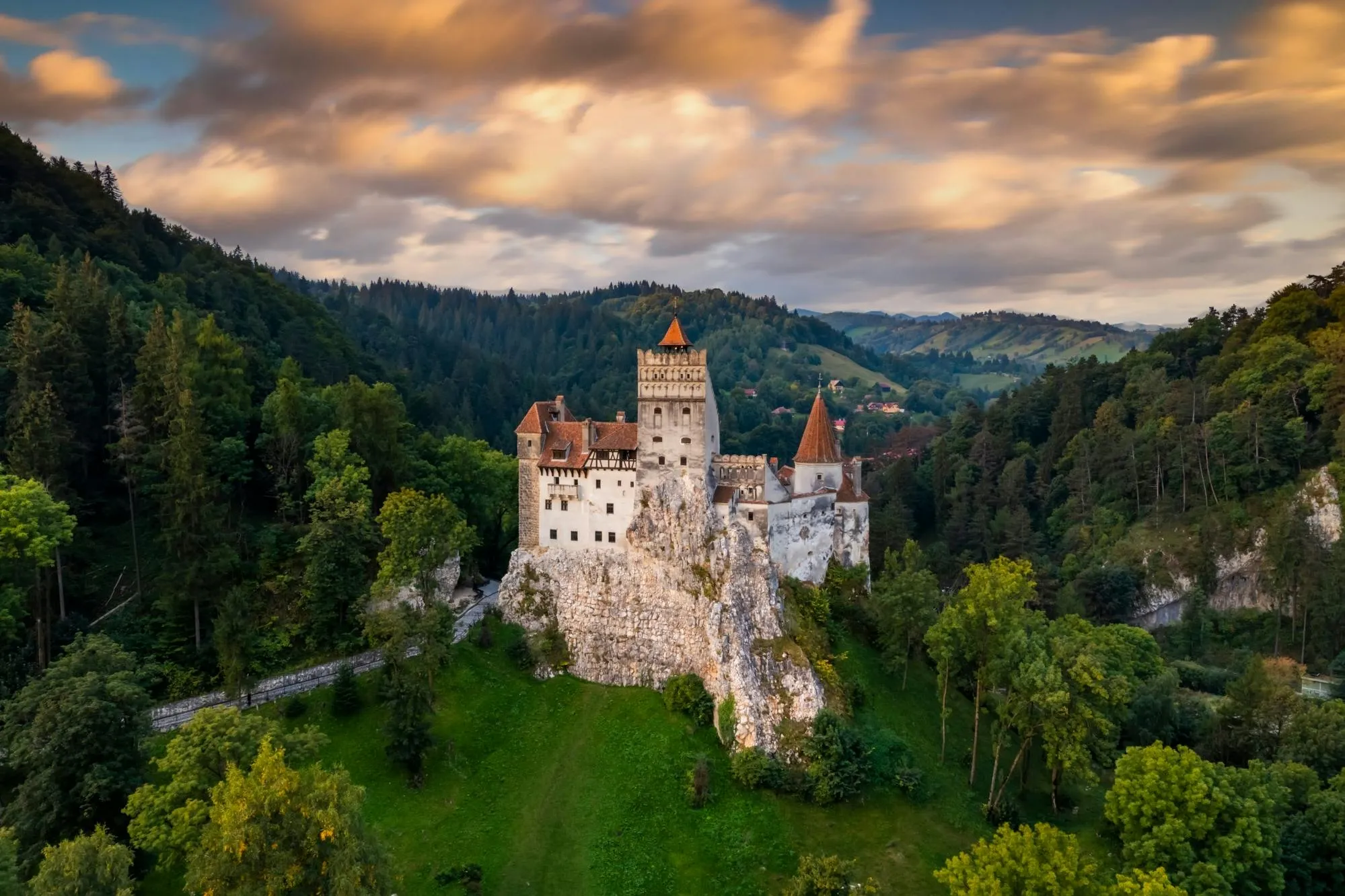
Short trails above Bran offer panoramic views of the castle and the valley. A 20–40 minute walk to nearby ridgelines rewards you with framed views ideal for photographs and a quieter moment away from the crowds.
More ambitious hikers can explore Bucegi National Park trails; local guides provide safe, informed options depending on season and fitness level.
Markets, crafts & regional flavours
The market near Bran Castle is a practical and charming place to find regional products: smoked sheep cheeses, honey, plum brandy, and woodcrafts that reflect mountain life. Tasting and purchasing directly supports makers and keeps traditions alive.
Ask vendors about production methods; many enjoy explaining patterns, recipes, and the stories tied to their crafts — an instant cultural lesson that enriches any visit.
Why Bran matters beyond the myth
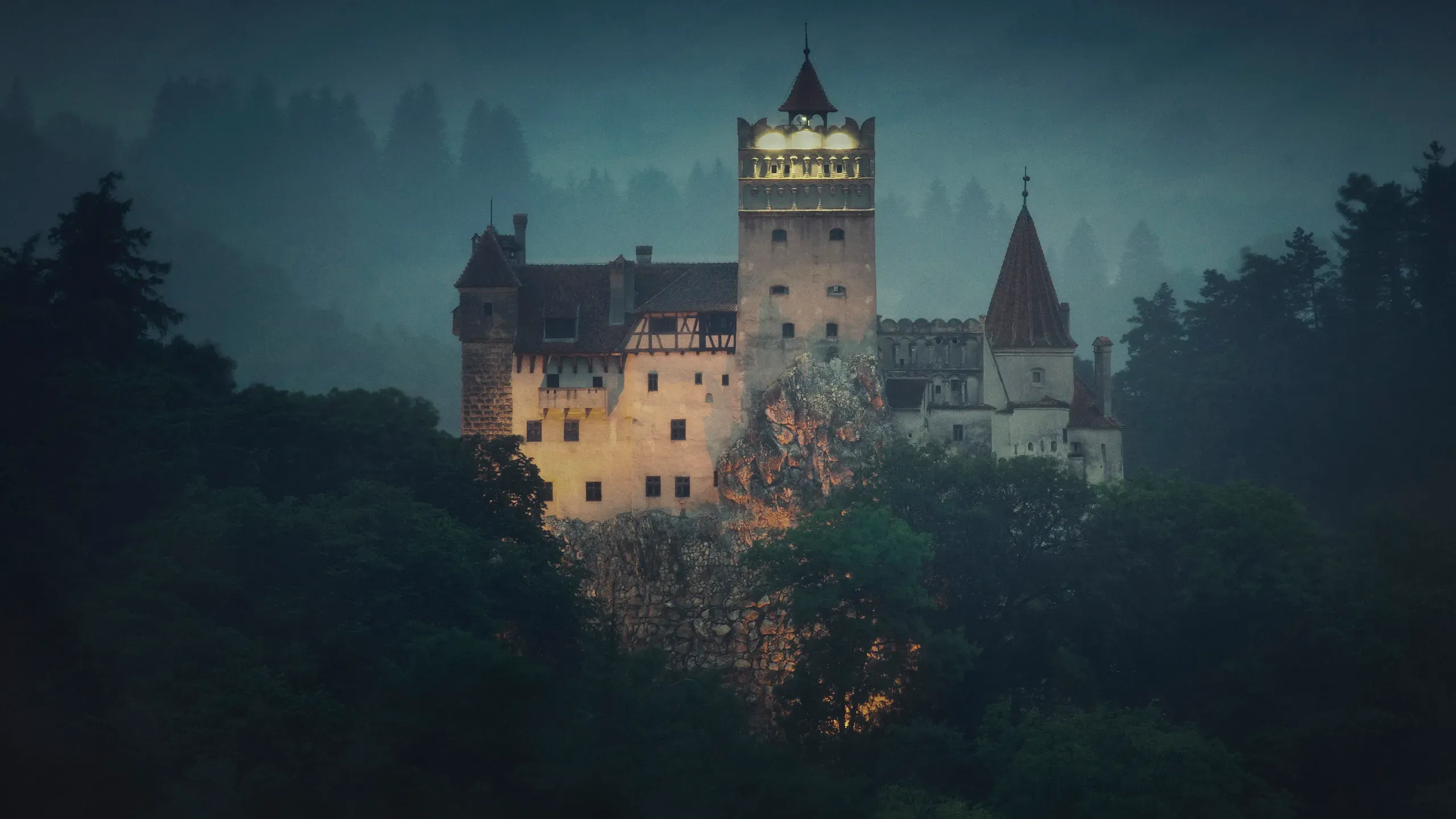
Bran matters because it is a palimpsest: a place where geography, local economy, royal tastes, and storytelling overlap. The Dracula myth is one layer among many, and the castle’s true resonance comes from the ways people have used, adapted, and remembered the place over centuries.
Whether you come for history, folklore, or the landscape, Bran rewards curiosity — take the time to listen to local guides, explore the village, and notice small details that reveal how living cultures and monuments shape each other.
Table of Contents
Medieval foundations & strategic passes
Bran Castle’s origins are rooted in geography. The rocky hill it crowns commands a narrow pass between historic regions, a natural chokepoint for trade and movement. The earliest fortifications were pragmatic: stone walls and narrow entries to slow intruders and protect local markets. Over centuries the site was rebuilt, strengthened, and repurposed as political tides shifted across Transylvania and Wallachia.
Those who manned Bran—soldiers, customs officers, and craftsmen—knew the castle as part of an everyday landscape of commerce and defence. It was not built to be an intimidating gothic stage set; it grew from the needs of those who lived in its shadow, traded through the pass, and negotiated the delicate borderlands between principalities.
Bran village, markets & local life
Directly below the castle, Bran village hums with a modest, persistent rhythm: local bakers pull loaves from wood‑fired ovens, elders sit under awnings to trade gossip, and artisans display carved spoons and embroidered shirts. These are not stage props for tourists; they are the living traces of a rural Transylvanian community that has supplied the castle and the pass for centuries.
Wander the short streets and you’ll find stalls selling plum brandy, smoked cheeses, and hand‑carved wooden toys. Speak to a maker and you’ll hear about the seasons — when the sheep come down from summer pastures, when the harvest is brought in, and how motifs in weaving tell family stories that survive through craft.
Trade routes, customs & mountain passes
Bran’s significance grew from geography. The pass below was a conduit for merchants, soldiers, and travellers moving between regions. Customs duties, tolls, and the castle’s watchful presence regulated who passed and what goods moved through — salt, cloth, livestock and later manufactured goods.
The castle’s records, fragmentary as they are, point to a modest but steady commerce: local farmers, itinerant traders, and the needs of a garrison that required food, craftsmen, and regular supplies. Even today, the markets echo that trade in new forms — souvenirs, local foodstuffs, and guided excursions that trace old routes.
The towered silhouette & defensive features
The castle’s architecture answers a question of survival: how to hold a hill against intruders while supporting the daily requirements of its occupants. Gatehouses, narrow winding staircases, and thick stone walls are not theatrical gestures; they are practical solutions to the risks of the Middle Ages.
Look closely and you’ll notice adaptations across centuries — patched masonry where repairs were urgent, added fireplaces when comfort was prized, and thresholds raised against damp. These physical adjustments tell a human story of people who lived with the climate, the winter snows, and the occasional threat of conflict.
Royal residence & 19th‑century restorations
In the late 19th and early 20th centuries Bran moved toward a gentler purpose: hosting dignitaries and serving as a romanticised royal residence. Renovations introduced wood panelling, decorative motifs, and rooms arranged for comfort rather than defence, reflecting changing tastes and the castle’s new social role.
These restorations were selective: they preserved some medieval features while overlaying new aesthetics that made the castle feel lived‑in and respectable to visiting nobles and guests from across Europe.
Folklore, Vlad the Impaler & the Dracula myth
The name Dracula is a late layer of meaning. Vlad Țepeș — a historic Wallachian ruler whose punitive methods earned him a fearsome reputation — appears in some regional accounts, but the documentary links to Bran are thin. Bram Stoker’s novel, written without first‑hand experience of the landscape, seeded an image that later travellers and marketers associated with Bran’s silhouette.
Rather than searching for a single ‘real’ Dracula room, it’s more fruitful to see how myths grow: a historical ruler, later nationalist tales, and a novelist’s imagination all combined with local oral traditions and the castle’s mood to create a cultural product that draws visitors and prompts reflection about history, memory, and tourism.
Collections, domestic life & crafts
The museum inside Bran presents objects that belonged to the household and local life: textiles with regional patterns, carved furniture, and everyday tools. These artifacts invite visitors to imagine the quieter, domestic rhythms behind the stone facades — cooking, mending, and seasonal celebrations.
Exhibitions also showcase local craft traditions that persist in nearby villages, linking the castle’s material culture to a broader regional identity that survives despite political and economic change.
20th century changes & stewardship
The castle’s 20th century story includes periods of private ownership, donation to the state, and restoration under changing political regimes. Each era left a mark: some architectural choices, curatorial emphases, and management practices reflect national priorities of the time.
Today's stewardship balances conservation needs with visitor access, aiming to preserve original fabric while providing interpretation that helps visitors understand the castle’s layered past.
Community, tourism & local economy
Tourism is a pillar of Bran’s modern economy. Visitor spending sustains cafes, guesthouses, and craft producers, but it also brings challenges: infrastructure pressure, seasonal employment, and the need to manage visitor flows to protect delicate features.
Community initiatives increasingly emphasize sustainable practices: training guides from local families, promoting off‑season visits, and creating experiences that highlight living culture rather than turning the area into an unvarying show.
Planning your visit & sensible tips
Plan for stairs and uneven floors; comfortable shoes are essential. If you’re visiting in summer, bring water and sun protection; in winter, prepare for cold winds and icy steps. Guided tours add depth and are recommended if you want detailed historical context.
Allow time to explore the nearby market, walk to viewpoints, and enjoy regional food. If you’re combining with Brașov, leave room for a leisurely coffee in the historic town centre before you return to your route.
Nearby hikes & viewpoints
Short trails above Bran offer panoramic views of the castle and the valley. A 20–40 minute walk to nearby ridgelines rewards you with framed views ideal for photographs and a quieter moment away from the crowds.
More ambitious hikers can explore Bucegi National Park trails; local guides provide safe, informed options depending on season and fitness level.
Markets, crafts & regional flavours
The market near Bran Castle is a practical and charming place to find regional products: smoked sheep cheeses, honey, plum brandy, and woodcrafts that reflect mountain life. Tasting and purchasing directly supports makers and keeps traditions alive.
Ask vendors about production methods; many enjoy explaining patterns, recipes, and the stories tied to their crafts — an instant cultural lesson that enriches any visit.
Why Bran matters beyond the myth
Bran matters because it is a palimpsest: a place where geography, local economy, royal tastes, and storytelling overlap. The Dracula myth is one layer among many, and the castle’s true resonance comes from the ways people have used, adapted, and remembered the place over centuries.
Whether you come for history, folklore, or the landscape, Bran rewards curiosity — take the time to listen to local guides, explore the village, and notice small details that reveal how living cultures and monuments shape each other.